
Safety tips for first year tree cutting professionals
October 24, 2022
Cutting trees successfully requires adopting strict safety practices. Read on for the best tree-cutting safety tips.
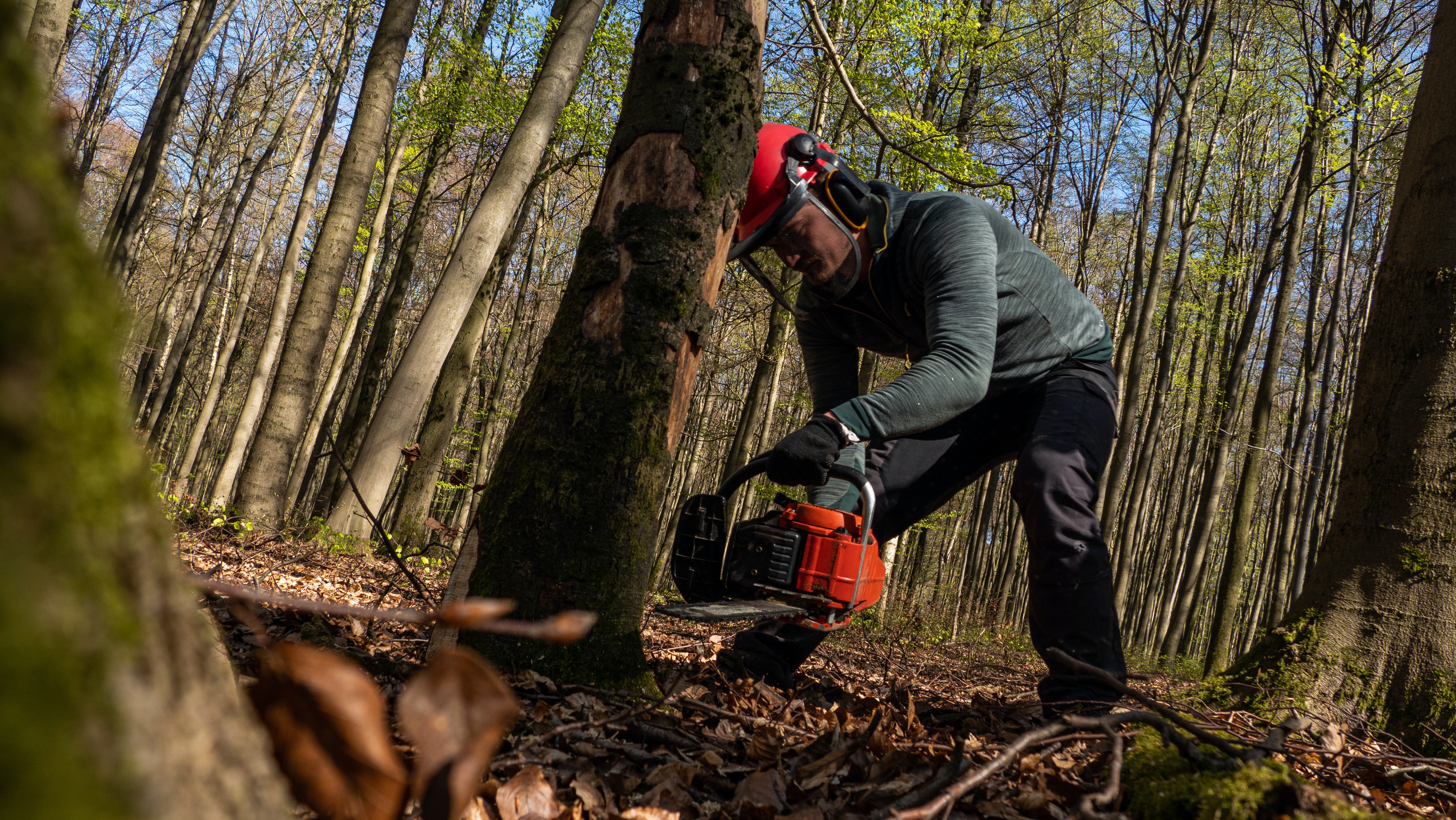
5 safety practices to adopt when cutting down a tree
Here are the top five things you must do to protect yourself, others, and your properties when cutting down a tree as a first-year professional.
1. Check in with your environment’s tree removal regulations
The decision to cut down a tree does not entirely lie on the homeowner. You must consider your communities, cities, and counties' regulation. For example, the homeowners’ association in your community may have their bye-laws concerning tree removal.
You may also need to obtain permits from the cities’ or counties’ regulatory bodies. So, research the rules and regulations around cutting down trees in your area to call for inspections and obtain permits if necessary.
Moreover, you’ll be aware of the safety precautions unique to the trees in your area, preventing complications and allowing you to take down the trees successfully.
Finally, considering state regulations and other societal tree removal policies will prevent sanctions or penalties that apply to non-compliance. This way, you can ensure you don’t only take down trees safely but also comply with regulatory laws.
2. Conduct adequate inspection
Critical tree inspection is essential to maintaining safety. Examining the trees will help you know how to cut them down effectively. You’ll also know what to avoid, what to keep in mind, and the precautions to adopt.
So, examine the trees’ environment. Are there properties to remove or things to clear? Then, check the trees’ condition afterward. How healthy is the tree? Cutting a damaged tree is riskier than felling a healthy one because it can fall unexpectedly and in a different direction than anticipated. So, you want to ensure you take the correct safety measures when felling a damaged tree.
Also, check if the trees’ environment is overcrowded or close to your home structures. This way, you can restructure or cut the tree in a different direction to prevent destroying your property.
A proper inspection will help you take proactive steps to cut the trees safely. So, check the trees’ status and remove environmental obstacles to ensure safety.
3. Choose an appropriate tree removal method
The tree's size, location, and condition often determine the appropriate tree-cutting method. For example, tree felling, limbing, bucking, and crane-assisted tree removal are different tree-cutting techniques you can use.
Tree felling involves cutting down a standing tree. Therefore, it’s essential to calculate the direction the tree will fall to avoid damaging nearby structures, vehicles, etc.
Limbing involves removing tree limbs either from a standing or felled tree. Bucking entails cutting a felled tree into smaller units. Finally, crane-assisted tree removal uses a crane to cut down a tree. This technique is mainly used for massive trees. So, consider these methods and choose the most appropriate technique based on the size, location, and trees’ condition.
4. Choose the right tools
Examine the tree’s condition and select appropriate equipment based on the method you plan to use. For example, your tools may vary from gas or electric chainsaws to cut branches, climbing and rigging tools, wood chipper, crane, etc.
Damaged gear can cause accidents during usage, so ensure your tools are in perfect condition. Also, use a tool appropriate for the trees’ size and location. Considering these factors will help you choose a tool that enhances your safety when cutting trees.
5. Use protective gear
Protective clothing is critical to ensuring safety when felling trees. So, wear appropriate protective gear to cover the parts of your body that may be exposed to harm. For example, wear thick sleeves and gloves to protect your hands. Also, protect your eyes from debris and chips. Lastly, wear slip-resistant footwear with heels and smart-fitted clothing that won’t hang on tree libs.
Summary
When cutting down a tree, prioritizing safety is paramount. Start by checking and complying with tree removal regulations in your area to ensure a legal and safe process. Conduct a thorough inspection of the tree and its surroundings, assessing potential hazards and the tree's condition. Choose the appropriate tree removal method based on factors like size, location, and condition, selecting the right tools in good working condition accordingly. Remember to prioritize personal safety by wearing protective gear such as gloves, eye protection, and slip-resistant footwear. By following these safety practices, you can ensure a safe and successful tree cutting process while protecting yourself, others, and your property.