
Asthma Management: Inhalers and Nebulizers in 2026
April 01, 2024
The best asthma care devices now offer improved drug delivery systems, enhanced portability, and smarter features for monitoring and managing asthma. Here’s a look at the leading inhalers and nebulizers for 2026 that are setting new standards in asthma care.
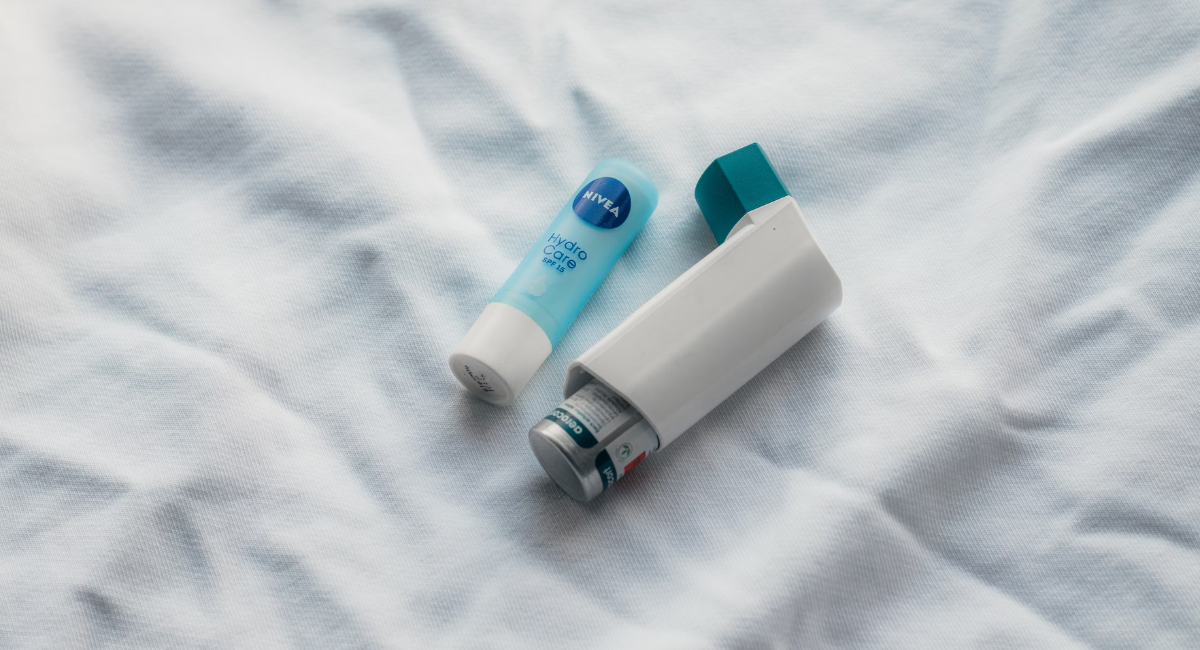
Inhalers
1. Smart Inhalers
Smart inhalers have become more prevalent, equipped with Bluetooth technology to track usage, monitor symptoms, and remind patients about doses. These devices connect to smartphone apps, providing patients and healthcare providers with valuable data to tailor asthma management plans effectively.
Examples: Propeller Health’s smart inhaler attachment, Teva’s ProAir Digihaler
2. Dry Powder Inhalers (DPIs)
DPIs remain a favorite for their ease of use and effectiveness. The latest models are designed to be more user-friendly, with lower inhalation force requirements and improved flow rates, ensuring optimal medication delivery to the lungs.
Examples: Ellipta inhaler, Turbuhaler
Nebulizers
1. Portable Mesh Nebulizers
Portable mesh nebulizers have seen significant improvements, becoming even more compact and efficient. They use vibrating mesh technology to create a fine mist for deep lung penetration, ideal for both adults and children. Battery-operated and USB-chargeable models enhance their portability, making asthma management convenient anywhere.
Examples: Omron’s MicroAir U100, PARI Trek S
2. Smart Nebulizers
Incorporating technology similar to smart inhalers, smart nebulizers offer features such as medication tracking, dose reminders, and symptom monitoring through associated apps. These devices aim to improve adherence and provide a comprehensive overview of the patient's asthma condition.
Examples: Aerogen Solo with Aerogen Connect
Key Considerations for Asthma Care Devices
Ease of Use: Devices that are simple to operate encourage regular use and adherence to treatment plans.
Portability: Compact and lightweight devices ensure that patients can manage their asthma effectively, even on the go.
Connectivity: Features that allow devices to connect to smartphones and healthcare systems facilitate better monitoring and personalized care.
Efficiency: Devices that deliver medication efficiently and effectively to the lungs can improve asthma control and reduce the risk of exacerbations.
Summary
The best asthma care devices in 2026 reflect a shift towards smarter, more personalized asthma management. By leveraging technology, these inhalers and nebulizers not only improve medication delivery but also empower patients and healthcare providers with data to make informed decisions. As technology continues to advance, the future of asthma care looks promising, with innovations aimed at enhancing quality of life for asthma patients and optimizing treatment outcomes.