Medical Alert Devices: How They Work and Their Features
February 01, 2024
Medical alert devices can be a lifeline, especially for seniors, people with chronic illnesses, or those living alone. These devices allow users to call for help in emergencies with the press of a button. Explore the various types of medical alert devices here!
Types of Medical Alert Devices
1. In-Home Systems:
In-home medical alert systems are designed for use within the home. They typically include a base unit connected to a landline or cellular network and a wearable help button. The user can press the button to connect to a monitoring center in case of an emergency.
2. Wearable Devices:
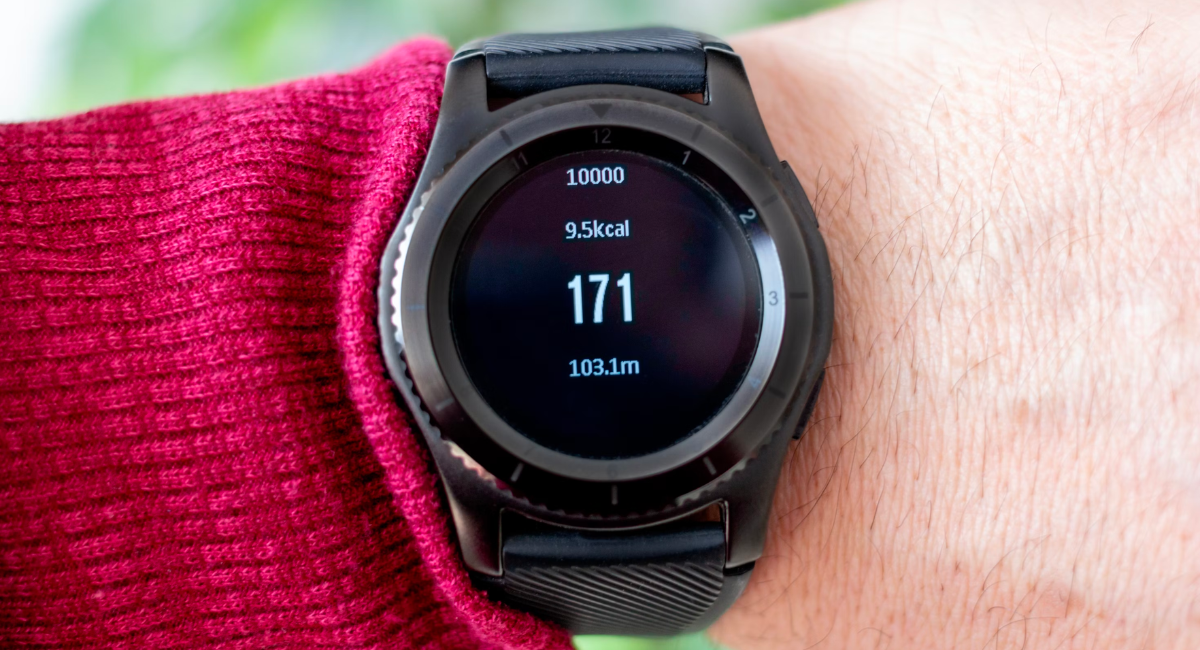
Wearable medical alert devices are integrated into everyday accessories such as watches, pendants, or bracelets. For example, the glucose monitoring smartwatch provides real-time, accurate blood sugar readings right on your wrist, offering continuous data for better diabetes management. It also integrates with other health apps, allowing you to track your overall health and make informed decisions about your treatment.
3. Mobile Systems:
Mobile medical alert systems provide protection both at home and on the go. These devices use cellular networks and GPS technology to offer location tracking and emergency assistance anywhere.
4. Fall Detection Devices:
Fall detection devices are equipped with sensors that can detect falls automatically. If a fall is detected, the device will alert the monitoring center without the user needing to press a button. This feature is particularly beneficial for individuals at high risk of falling.
5. Medical Alert Apps:
Medical alert apps can be installed on smartphones, providing a convenient way for users to access emergency services. These apps often include features like GPS tracking, medication reminders, and health monitoring. Examples include the Life360 app and the Snug Safety app.
Explore Government Programs and Grants
Local government or community-based organizations may offer grants or programs that provide medical alert systems to qualifying individuals, especially seniors and those with disabilities.
Seek Assistance from Non-Profit Organizations
Non-profit organizations, particularly those focusing on seniors or specific health conditions, might provide medical alert systems for free or at a subsidized cost.
Look for Discounts and Special Offers
Some medical alert companies offer discounts to veterans, low-income families, or during special promotional periods.
Consider Refurbished Units
Refurbished medical alert devices can be a cost-effective alternative. Ensure they are certified and come with a warranty.
Summary
Medical alert devices are essential tools for enhancing the safety and independence of individuals, particularly the elderly and those with medical conditions. With various types of devices available, including in-home systems, mobile systems, fall detection devices, wearable devices, and medical alert apps, users can find a solution that best fits their needs. Key features like 24/7 monitoring, GPS location tracking, two-way communication, waterproof design, and long battery life ensure reliable protection. These devices provide numerous benefits, including increased independence, quick emergency response, peace of mind for caregivers, enhanced safety, and cost-effectiveness. As technology continues to advance, medical alert devices will play an increasingly vital role in ensuring the well-being of individuals.